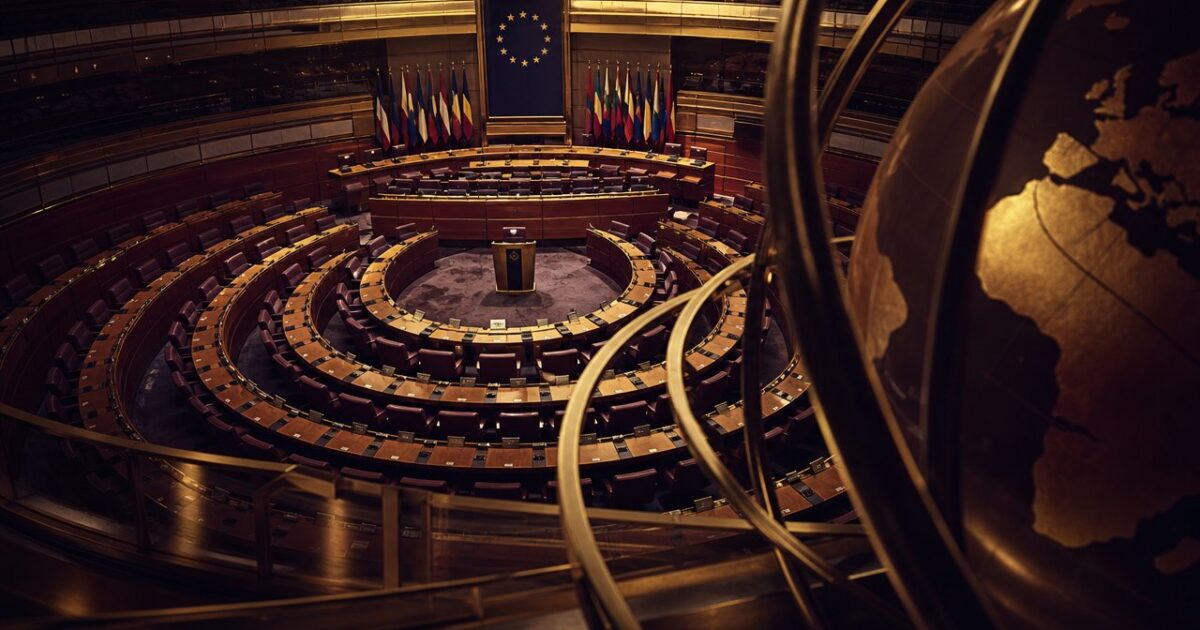
After years of debate about whether the European Union needed a new grand strategy, the 2016 EU Global Strategy settled the question. But publication did not mean implementation. The gap between strategic intent and operational reality has remained one of the defining challenges of EU external action in the years since.
From Document to Implementation
Implementation of the EU Global Strategy proceeded through a series of thematic action plans covering defence, cyber, energy security, and the neighbourhood. The Security and Defence Implementation Plan, adopted in November 2016, launched the Coordinated Annual Review on Defence (CARD) and paved the way for Permanent Structured Cooperation (PESCO), which entered into force in December 2017.
PESCO represented the most significant advance in European defence cooperation in decades, committing participating member states—initially 25, later all EU members—to binding obligations on defence investment, capability development, and operational availability. Its first project list, approved in 2018, included initiatives on cyber rapid response, military mobility, and training missions.
The Neighbourhood: Progress and Setbacks
The neighbourhood dimension of the EUGS produced mixed results. In the Western Balkans, the EU maintained credible accession prospects for Serbia, Montenegro, and other candidates, even as the enlargement process slowed and reform fatigue set in on both sides. The EU–Ukraine Association Agreement entered into force in 2017, providing a framework for deep integration short of membership.
Russia’s full-scale invasion of Ukraine in February 2022 fundamentally transformed the strategic context. The EU’s response—coordinated sanctions packages, military assistance to Ukraine, candidate status for Kyiv in June 2022—represented a qualitative shift in EU foreign policy assertiveness that would have been difficult to predict from the 2016 EUGS’s measured language about a “principled pragmatism” approach to Russia.
Next Steps: The 2022 Strategic Compass
The Strategic Compass, adopted in March 2022, serves as the practical successor to the EUGS in the security and defence domain. It sets specific capability targets, establishes an EU Rapid Deployment Capacity of up to 5,000 troops, and commits member states to more regular crisis management exercises. Unlike the EUGS, which was a broad political vision, the Strategic Compass is explicitly operational.
The next steps for EU external action lie in translating the Strategic Compass’s ambitions into concrete capability commitments—ensuring that PESCO projects deliver interoperable forces rather than paper pledges, closing the gap between EU civilian and military instruments, and building the industrial base that sustained defence investment requires.
The Broader Geopolitical Picture
Beyond defence, the EU faces strategic choices about its economic posture. The de-risking debate—how to reduce strategic dependencies on China in critical technologies, rare earths, and pharmaceutical supply chains—intersects with the EU’s trade policy, industrial policy, and its relationships with partners in the Global South. The Global Gateway initiative, the EU’s €300 billion infrastructure investment programme, represents one response, seeking to offer an alternative to Chinese Belt and Road financing in Africa, Latin America, and Asia.
Tying economic instruments to strategic goals—conditioning market access or investment support on partner countries’ alignment with EU standards and values—is increasingly central to European foreign policy. The challenge is doing so without triggering a fragmentation of the global economy that would harm EU exporters and developing country partners alike.
Frequently Asked Questions
What is PESCO (Permanent Structured Cooperation)?
PESCO is a framework within the EU Treaty that allows member states committed to closer defence cooperation to work together on capability development and military projects. Established in December 2017, it involves 26 EU member states and covers over 60 collaborative defence projects, including cyber defence, military mobility, and training missions.
What is the EU Strategic Compass?
The EU Strategic Compass is a security and defence strategy adopted by EU member states in March 2022. It sets out concrete objectives for EU defence, including the establishment of a Rapid Deployment Capacity, enhanced intelligence sharing, and strengthened partnerships with NATO, the UN, and regional organisations. It is designed to translate the broader vision of the 2016 EU Global Strategy into operational commitments.
How has the war in Ukraine changed EU foreign policy?
Russia’s full-scale invasion of Ukraine in February 2022 accelerated EU foreign policy development in several areas: the EU provided military assistance to a conflict party for the first time in its history, implemented unprecedented sanctions against Russia, granted candidate status to Ukraine and Moldova, and significantly increased defence spending commitments. The invasion validated arguments—long made by Nordic and Baltic member states—that Russia posed a fundamental security threat to the European order.
What is the Global Gateway?
The Global Gateway is the EU’s strategy for international infrastructure investment, announced in late 2021 with a target of mobilising €300 billion by 2027. It covers investments in digital infrastructure, climate and energy, transport, health, and education across Africa, Latin America, Asia, and other regions. The initiative is designed to offer partner countries a sustainable, transparent, and values-based alternative to other global infrastructure financing programmes.